When to Ask Restaurant Guests for a Review
By BestBuyReview TeamPublished Updated
Restaurant feedback is easiest to request while the meal is still fresh. Timing matters more than wording: ask once the guest has experienced the full visit, then follow up once at most, with a simple and neutral invitation that goes to every guest the same way.
The short answer
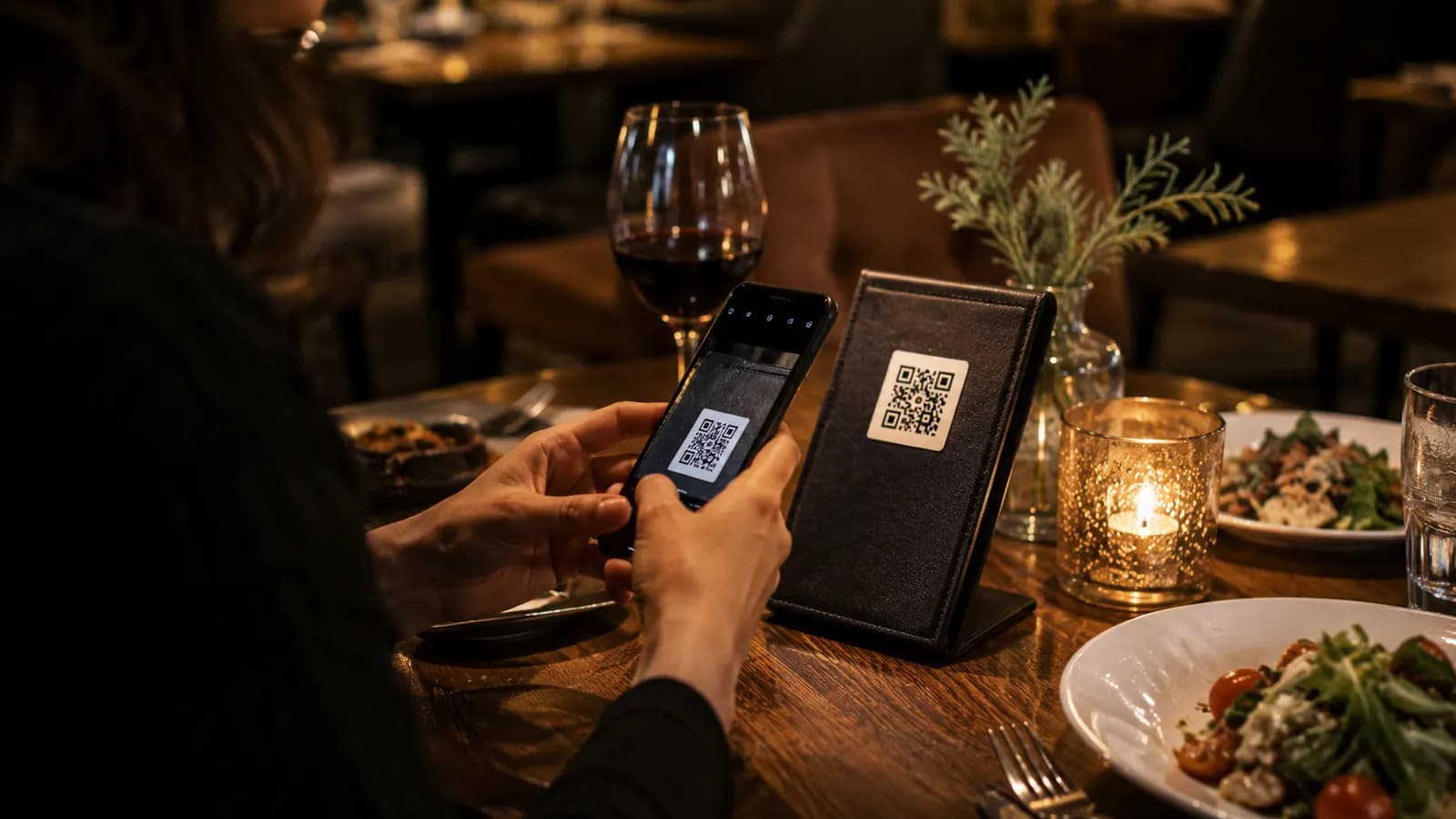
Ask restaurant guests for a review at the end of the meal, once they have experienced the food, service, and payment. Place a QR code to your Google review page in the check presenter or on the receipt, and send one short follow-up the next day to guests who booked with an email or phone number.
Ask every guest the same way. A server can mention that honest feedback helps the restaurant, but should not wait at the table, offer a free dessert, or choose which tables to ask. Those habits break Google's policy, and they also make the feedback less useful to the next diner reading it.
When should a restaurant ask for a review?
The right moment depends on how the guest ordered. In every case, the trigger is the end of the experience: the check is paid, the order has arrived, or the event is over.
| Service type | When to ask | How to ask | Follow-up |
|---|---|---|---|
| Dine-in, walk-in | When the check is presented | QR code on the check presenter or receipt | None, unless the guest left contact details |
| Dine-in, reservation | End of the meal | QR code at the table | One email or text the next day |
| Takeout | At pickup | QR code on the bag insert or receipt | One message if ordered online |
| Delivery | After the order arrives | Message from your own ordering system | None beyond the first message |
| Catering and private events | The day after the event | Personal email from the event manager | One reminder a few days later |
For other sectors, the same principle applies with different triggers; see the best time to ask for a review, by industry.
How should servers ask at the table?
Google's Maps content policy says merchants should not require or pressure customers to leave ratings or write reviews while on the premises, and should not ask staff to collect a certain number of reviews. A table ask therefore works as a pointer, not a request to act now: mention the card, then let the guest decide later on their own phone.
"Here's your check. If you'd like to share how tonight went, the QR code on the card opens our Google review page, whenever suits you. Thanks for coming in."
How was your meal at {Restaurant}?
Scan to share your honest review on Google.
{QR code}
Hi {Name}, thank you for dining at {Restaurant} last night. Would you share your experience on Google? {Link}
Reply STOP to opt out.
Create the QR code from your Business Profile on a computer, following Google's steps to create a review link or QR code, and test it on two phones before printing. A QR code that opens the wrong location, or your website instead of the review form, wastes every table it sits on.
Should restaurants follow up after the visit?
Yes, once, when the guest gave you an email or phone number through a reservation or online order. One short message within about a day reaches the guest while the details are still clear. Send it to every guest with a completed reservation, not only to tables the staff felt went well.
Do not send a second reminder for a dinner reservation; one message is enough for a single meal. Skip the follow-up for anyone who opted out of messages, and for texts, follow the consent and opt-out rules explained in our guide to writing a review request text message.
A weekly review routine for restaurants
- 1Print QR cards for every check presenter and takeout bag, linked to the correct location.
- 2Brief every server on the one-sentence script and the no-pressure rule.
- 3Connect reservations and online orders to a next-day message sent to every guest.
- 4Check new reviews daily during the first weeks, then at least twice a week.
- 5Reply to reviews within a few days, thanking guests and addressing concerns calmly.
- 6Share recurring themes, such as wait times or noise, at the weekly team meeting.
- 7Replace worn cards and retest the QR code each month.
How can restaurant groups keep requests consistent?
Restaurant groups and franchises face one extra risk: each location ends up asking differently. One manager prints QR cards, another relies on servers, a third does nothing. Write one short standard for the group, covering the card design, the server sentence, the next-day message, and who replies to reviews, and apply it at every location.
Each location has its own Business Profile, so each one needs its own review link and QR code. Check that the card in every check presenter opens the right restaurant, and that next-day messages use the location the guest actually visited. Busy nights are not a reason to skip the routine; the card does the asking when servers have no time to talk.
What should restaurants avoid?
- A free dessert, drink, or discount for a review, or a review shown to claim a deal: Google prohibits incentives for posting reviews.
- Staff competitions or quotas for collecting reviews, which Google lists as a violation.
- Asking only tables that seem delighted, or sending a survey first and forwarding only happy guests.
- Asking guests to mention a server by name or to include specific dishes.
- Reviews from staff, owners' relatives, or suppliers, which Google removes as conflicts of interest.
- Handing a tablet across the table and waiting for the guest to post.
These limits come from Google's policy and, for paid or sentiment-conditioned reviews, from the FTC rule at 16 CFR Part 465. For the full legal picture, read is it legal to buy Google reviews?
What about Yelp and other platforms?
Platforms do not all treat requests the same way. Google encourages businesses to ask customers for reviews through a link or QR code. Yelp takes the opposite view: its support page titled Don't Ask for Reviews says businesses should not ask anyone to review them, and that its recommendation software may not recommend reviews that seem to have been prompted by the business.
In practice, a restaurant can invite guests to review on Google while keeping its Yelp page accurate and responding to the reviews that appear there. Do not put a Yelp link in your review requests. Whatever the platform, the review itself always belongs to the guest.
How should restaurants respond to diner reviews?
Thank guests specifically, mentioning a detail from their review rather than pasting the same reply. For complaints, acknowledge the issue, apologize where it fits, and invite the guest to contact a manager by name. Never publish reservation details, and never offer a free meal in exchange for changing a review. Our negative review response templates include examples for late orders, staff complaints, and mixed reviews.
Key takeaways
- Ask after the full meal, with a QR code on the check presenter or receipt.
- Send one next-day message to every guest who booked or ordered online, never more.
- No freebies, staff quotas, or selective asking; the invitation is the same for every guest.
- Ask on Google, keep Yelp accurate without soliciting, and reply to every platform's reviews.